Why Car Key Replacement Varies So Much by Make and Model
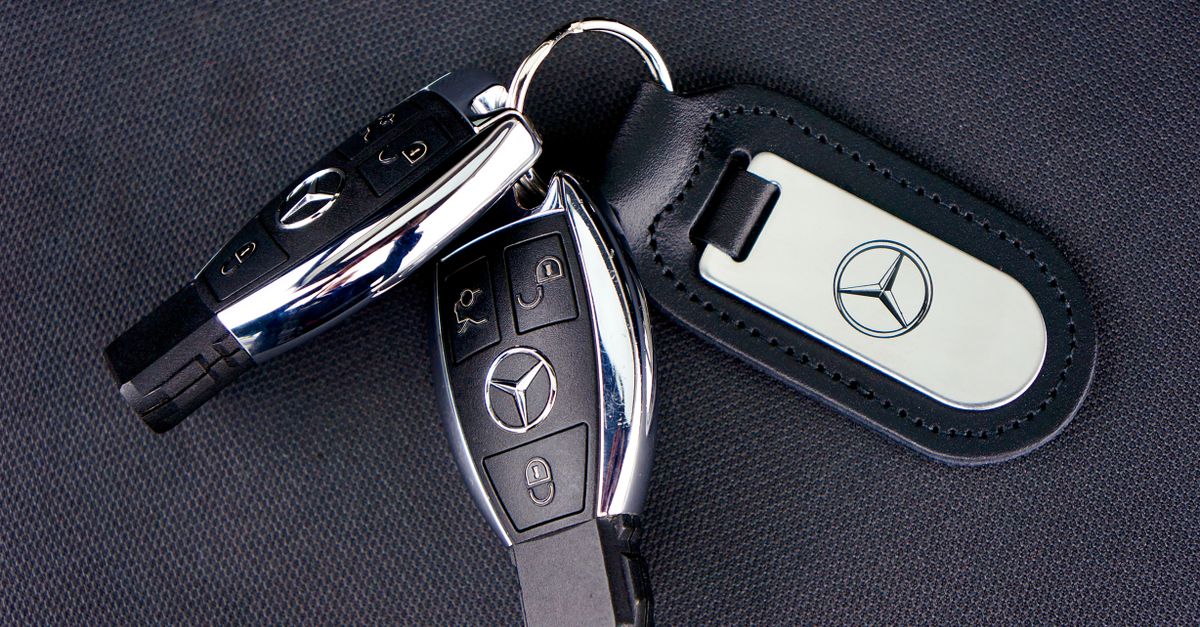
A 2009 Honda Civic key is a world apart from a 2022 Kia Sorento smart key, even though both start a car. Older vehicles often use basic transponder keys that require chip cloning or EEPROM programming, while newer vehicles rely on proximity-based smart keys that communicate constantly with the car's immobilizer system. European makes — Audi, BMW, Mercedes-Benz, Volkswagen — frequently use advanced encrypted key systems that demand specialized software not always found at general automotive shops. Japanese brands like Toyota, Lexus, Honda, and Subaru typically use their own proprietary transponder protocols. American brands including GM, Ford, Chrysler, Jeep, and Ram have migrated heavily toward push-button ignition systems with rolling-code key fobs, especially in vehicles made after 2015.
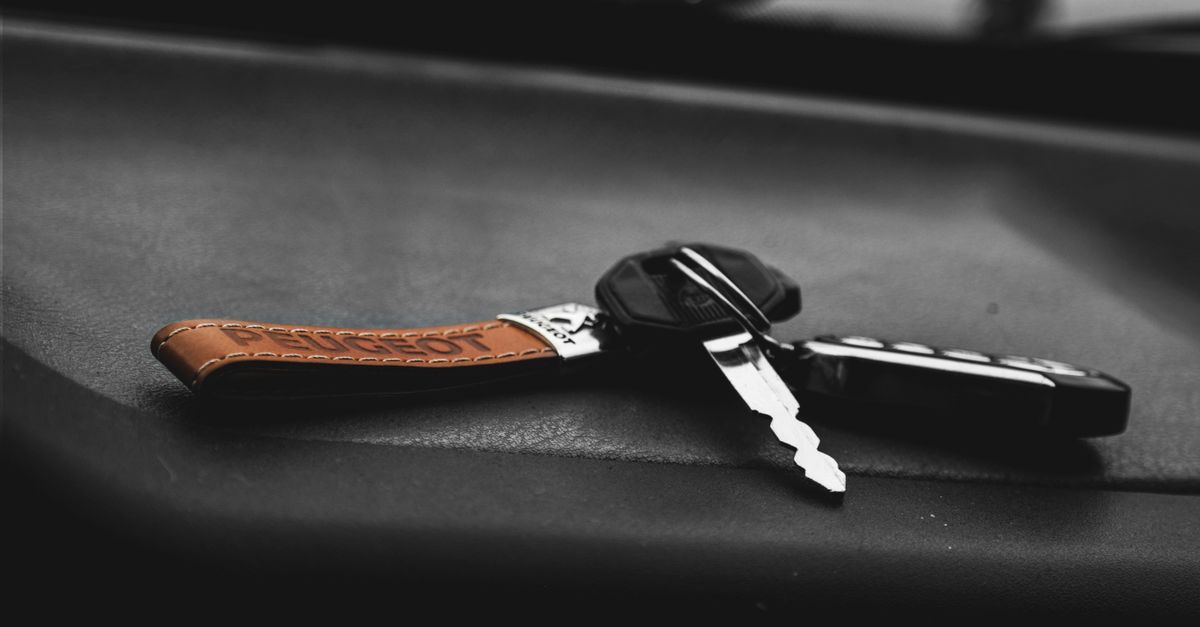
Truck and SUV owners, particularly those driving vehicles popular across Chicago's North Shore suburbs and the South Side neighborhoods, often find that their keys include both a remote entry fob and a separate transponder chip embedded in the blade — losing both functions means the replacement must address both. Our automotive locksmith technicians carry a broad inventory of key blanks and programmable fob shells, and our mobile programming units support hundreds of makes and models. Before we quote any job, we ask for your year, make, model, and VIN so we can confirm parts availability and give you an accurate, no-surprise price on the spot.