Signs Your Door Knob Lock Replacement Can't Wait
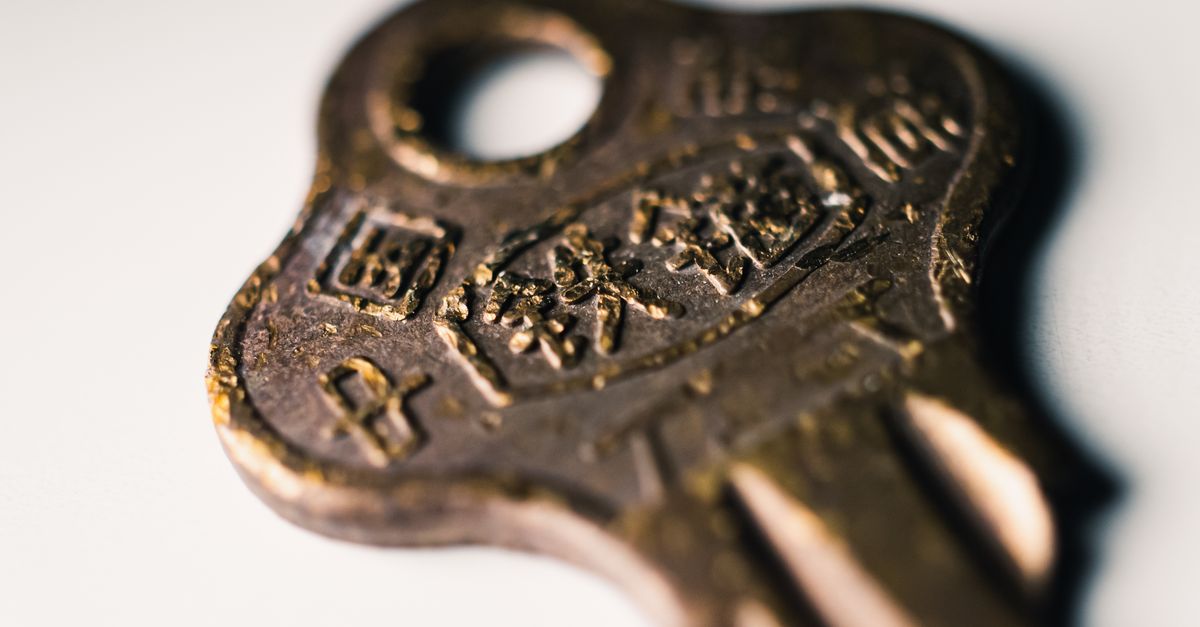
Most locks don't fail all at once. Long before a knob lock stops turning entirely, it gives warnings: a cylinder that resists turning unless you jiggle the key just right, a latch that no longer seats cleanly in the strike plate, a keyway worn so smooth the key wobbles inside it, or a spindle that spins without engaging the mechanism. In Chicago's climate — where freeze-thaw cycles stress metal components through every long winter — these symptoms accelerate faster than they would in milder cities. If you're rattling your keys on a frigid February morning outside your Albany Park two-flat, that's not just frustrating; it's a sign the internal workings are close to total failure.
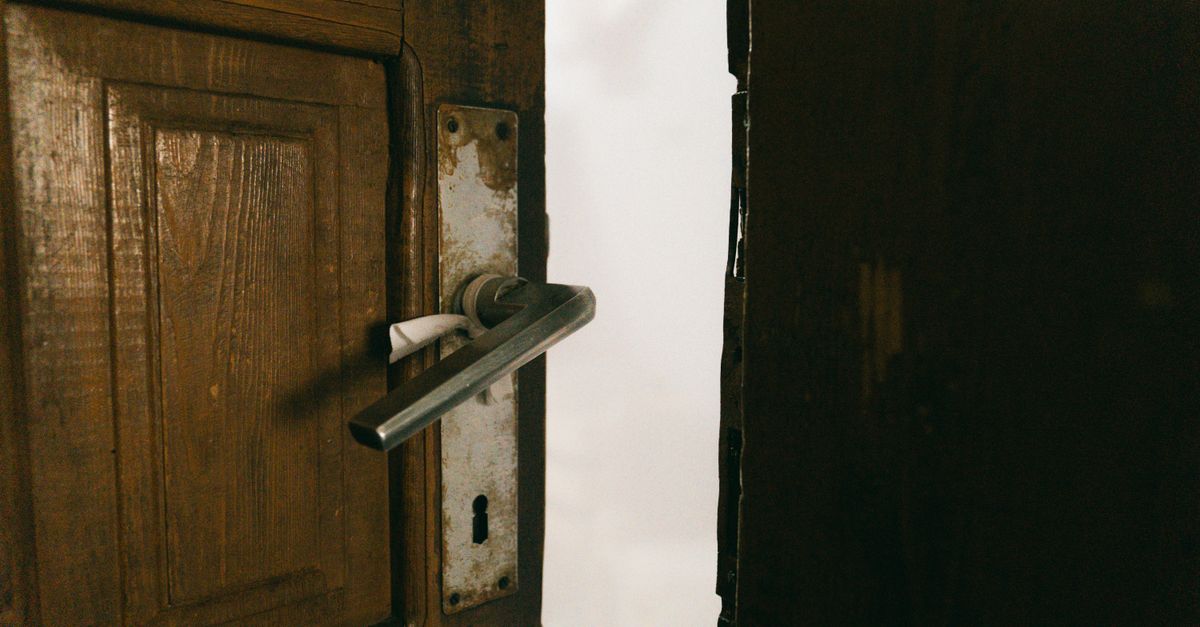
The risk goes beyond inconvenience. A worn door knob with lock and key that appears functional can be surprisingly easy to manipulate without the correct key, because worn tumblers no longer create reliable shear lines. Damaged deadbolts offer similarly reduced resistance. Our technicians assess the full door hardware package — knob, deadbolt, strike plate, and door frame alignment — before recommending any replacement, so you're not paying to swap one component when a second is quietly failing beside it.