Why Commercial Doors Need More Than a Door Knob Lock
A residential-grade door knob lock or a basic deadbolt is engineered for low-frequency, single-household use. Commercial doors tell a completely different story. A busy Chicago restaurant on Randolph Street's Restaurant Row may see hundreds of people come and go across a single service day. A Logan Square medical office needs to control exactly which staff members can access the medication room versus the waiting area. A Fulton Market co-working space needs to let members in at 5 a.m. without stationing someone at the front desk. In every one of these scenarios, a traditional keyed lock creates real operational and security gaps: keys get copied, lost, or simply not returned when an employee leaves.
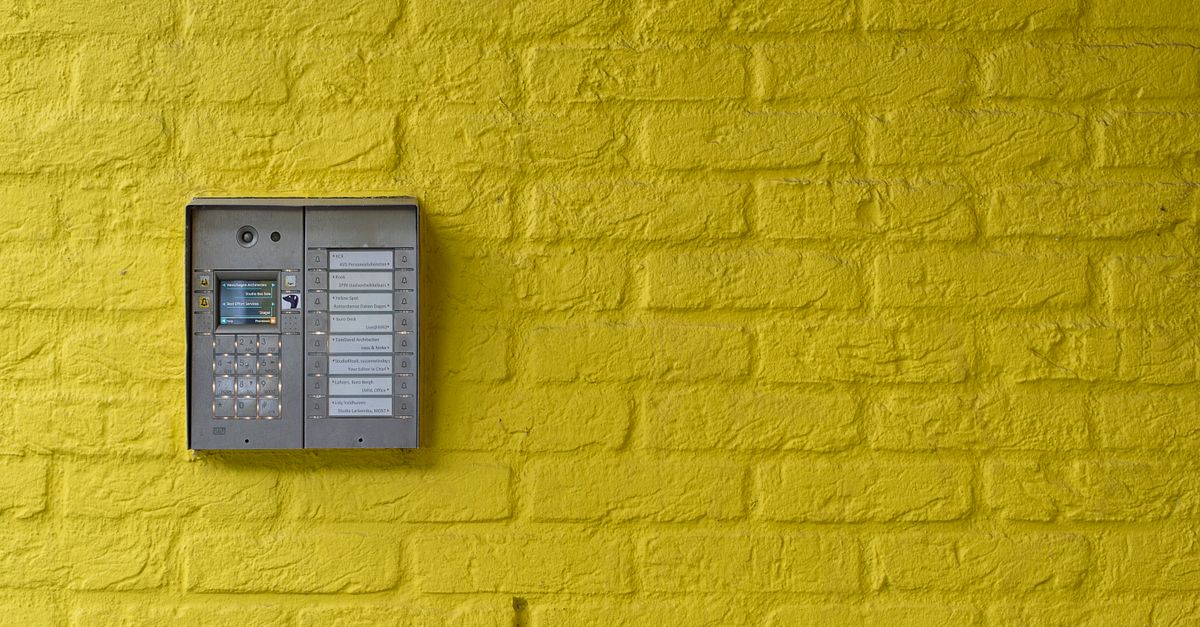
Electronic access solves those problems at the hardware level. Instead of a cylinder that any copied key can operate, a credential-based reader verifies a unique code, card, or fob before releasing the latch. The access control mortise lock is the platform most commercial locksmiths rely on for this application because the mortise body recesses directly into the door edge, providing far greater resistance to forced entry than surface-mounted bored locks. Our technicians are experienced in fitting mortise lock access control hardware to steel, aluminum-framed, and solid-wood commercial doors — the dominant door types across Chicago's older building stock — with a damage-free approach wherever the door construction allows.