Why Keys Snap — and Why the Cylinder Type Changes Everything
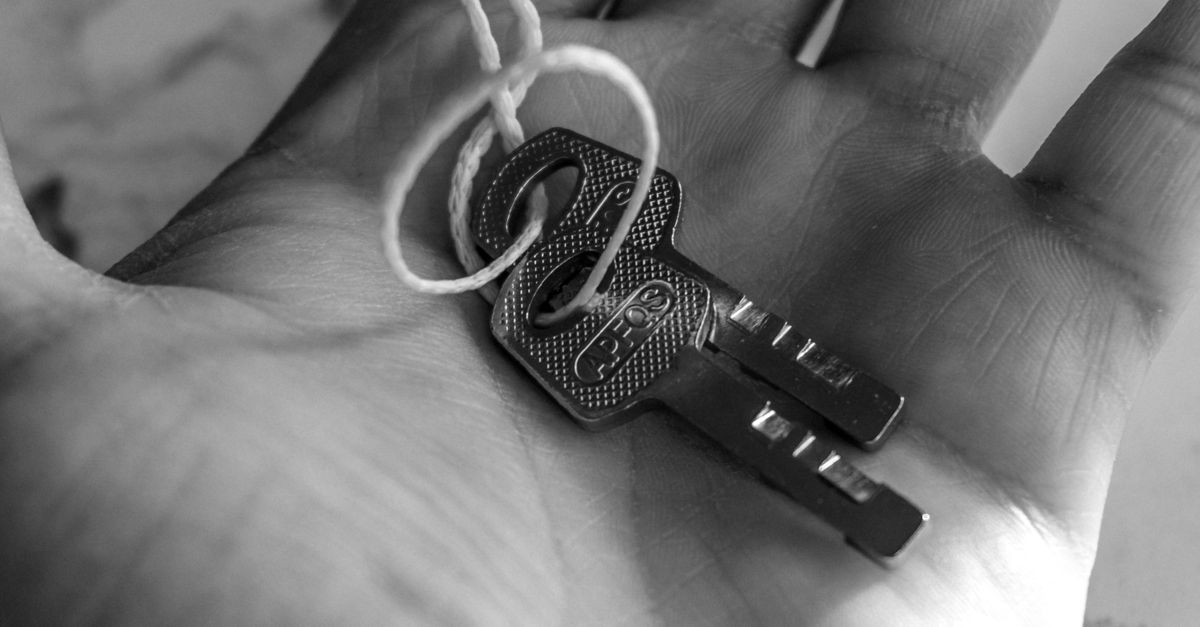
Keys break inside locks for several overlapping reasons: metal fatigue from years of daily use, a worn or misaligned cylinder that forces the key to bind and twist under load, extreme cold contracting the metal, or simply the wrong key forced into the lock. Chicago weather is a genuine factor here — repeated freeze-thaw cycles corrode pin springs inside cylinders and stiffen lock mechanisms all winter long, placing extra stress on already-worn keys every time you turn them. When a key finally shears, the portion left inside the cylinder can sit flush with the keyway, recessed deep inside the plug, or — in the worst cases — broken at an angle that wedges it firmly between the driver pins and the plug shear line.
The cylinder type matters enormously when it comes to extraction technique. A standard pin-tumbler knob lock on a residential door has a relatively accessible keyway, making extraction more straightforward when the right extractor is used. A mortise lock — the rectangular cartridge mechanism set into the edge of the door and common in Chicago commercial buildings, vintage courtyard apartments, and historic brownstones — has a longer, narrower plug that can trap a fragment much more securely. High-security cylinders with sidebar mechanisms, Medeco or Mul-T-Lock style keyways, and automotive transponder-key locks each present their own challenges. That is why our technicians are trained specifically across all these formats, not just the most common residential hardware.