Hyundai Car Key Replacement: Models We Cover and Why It's More Complex Than It Looks
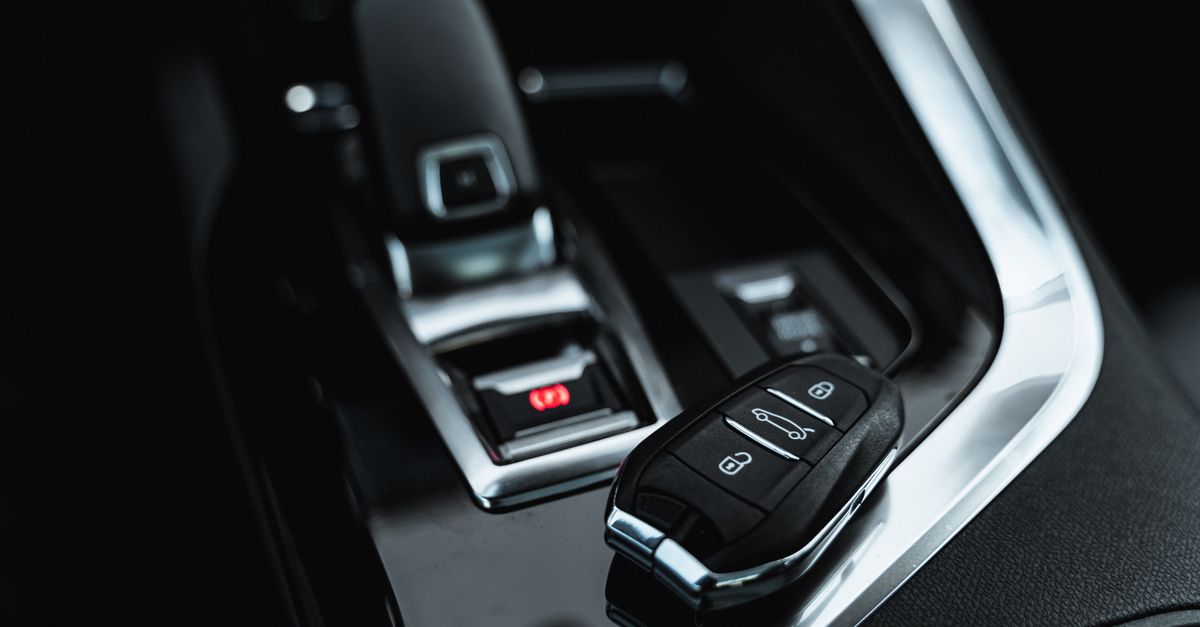
Hyundai has used several generations of key technology across its lineup, and the differences matter. Older Elantra and Sonata trims from the early 2000s use a basic cut metal key with no chip — straightforward to duplicate. Most Hyundais built after 2007 moved to transponder chip keys, where the blade cut alone is not enough; the chip inside the key head must be programmed to match your specific vehicle's immobilizer, or the engine simply will not start. More recent models — including newer Tucson, Kona, and Santa Fe trims — use proximity smart keys or push-button fobs that communicate with your car on a rolling encrypted frequency. Each layer of technology requires a different tool, a different process, and a technician who understands Hyundai's specific immobilizer architecture.
Our team handles all of it: traditional cut keys, transponder keys (including the blade-style chips used on mid-generation Elantras), remote head keys where the fob and blade are one unit, standalone key fobs for vehicles with a separate emergency blade, and full smart key proximity fobs. We run current diagnostic and programming software matched to Hyundai's systems, so the key we hand you works the first time — for ignition, doors, and remote functions alike.