Downtown Locksmith Chicago Service Team
Local locksmith team
Jul 8, 2026 11 min read
If you live in a Chicago bungalow on the Northwest Side, a greystone two-flat in Logan Square, or a vintage courtyard building near the lakefront, there is a good chance your front door does not use the same simple knob-and-deadbolt combination you see at the hardware store. Instead, it likely has a larger, heavier lock mechanism set deep into the door itself — a mortise lock. Most Chicago homeowners have been turning that key for years without ever knowing what is actually happening inside the door, or why that hardware behaves differently from a modern door knob with lock and key.
This guide breaks it all down in plain English: what a mortise lock is, why Chicago's older housing stock is full of them, how to tell when yours needs service, and how to decide whether repair or replacement is the right call. Whether your lock is stiff, your key is stuck, or you just got locked out on a freezing January night on Kedzie Avenue, understanding your hardware helps you make smarter decisions — and helps you know when it is time to call a professional locksmith.
## What Is a Mortise Lock, and How Is It Different from a Standard Door Knob Lock?
A mortise lock is a complete locking mechanism — latch, deadbolt, and often a privacy or passage function — housed inside a single rectangular metal case that is set into a pocket (the 'mortise') carved directly into the edge of the door. Unlike a standard tubular lock, where the knob assembly and the deadbolt are two separate units bored through the face of the door, a mortise lock set integrates all of those functions into one internal cartridge. The result is a stronger, thicker connection between the lock and the door itself, which is a big part of why these locks were the default choice for residential and commercial construction from the late 1800s through the mid-20th century.
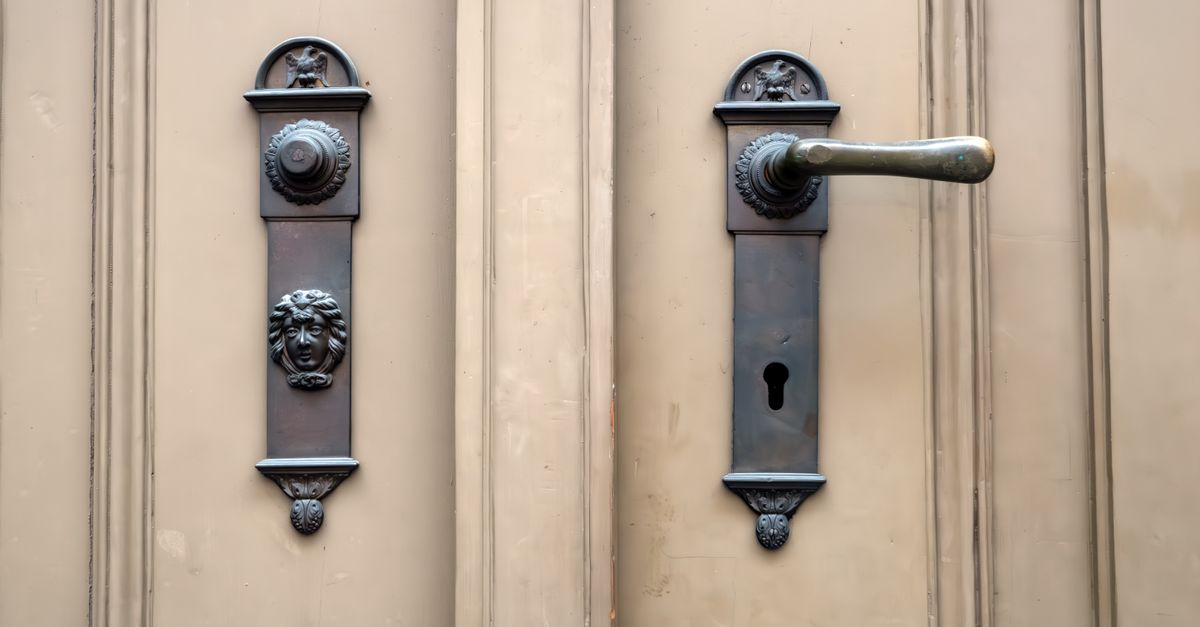
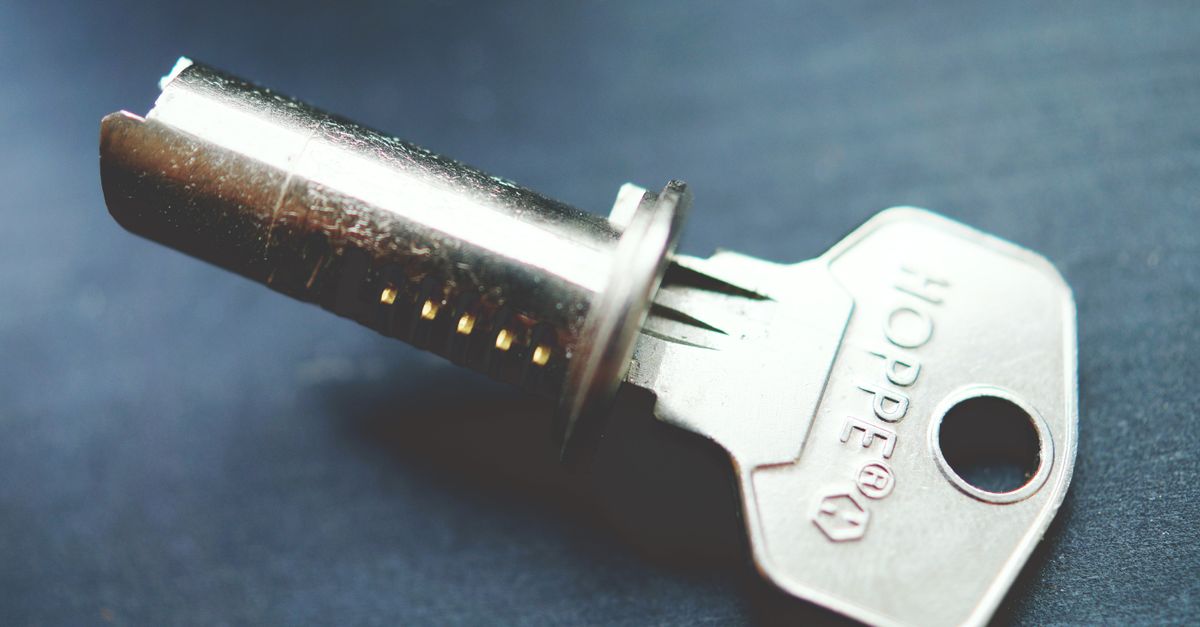
On the outside of the door you typically see a trim plate (called an escutcheon), a door knob or lever handle, and a keyhole. On the inside you may see a thumb turn or a second knob. The mortise lock cylinder — the round plug that actually reads your key — is a separate component threaded into the case. This matters for service: a skilled locksmith can often re-key or replace just the cylinder without touching the rest of the mechanism, saving time and cost.
## Why Chicago Homes Are Full of Mortise Locks — A Little Local History
Chicago's residential building boom ran roughly from the 1880s through the 1950s, producing the brick bungalows of Bridgeport and Beverly, the greystone two-flats of Pilsen and Ukrainian Village, and the courtyard apartments that line block after block of the North Side. The builders and architects specifying hardware during that era had one reliable choice for a secure, durable door lock: the mortise lock set. Brands like Corbin Russwin and Baldwin built mortise hardware that was designed to last generations — and in Chicago, it often has. A Corbin Russwin mortise lock installed during the Eisenhower administration is still doing its job on thousands of Chicago front doors today.
The irony is that this longevity creates a specific maintenance challenge. Parts that old are not on the shelf at your local home-improvement store. Springs weaken, cams wear, and the internal levers that control the bolt can develop play after decades of use. If you own a pre-1960 Chicago home and your front door feels 'off' — the key is hard to turn, the latch does not retract cleanly, or the deadbolt drags — the lock is almost certainly telling you it needs attention. At Downtown Locksmith Chicago, our team works on vintage mortise hardware regularly, from century-old entry doors in Hyde Park to mid-century commercial storefronts along Milwaukee Avenue.
## Repair or Replace? A Practical Guide for Chicago Homeowners
The answer depends on the condition of the lock case, the availability of parts, and what you actually need the lock to do going forward. Here is a straightforward framework. Repair is usually the right call when: the lock case itself is structurally sound (no cracks in the body, no damaged bolt housing), the problem is isolated — a worn mortise lock cylinder, a broken cam, a fatigued spring, or a stuck latch — and you want to preserve the original hardware for aesthetic or historical reasons, which matters in designated Chicago landmark districts like Prairie Avenue or Pullman. A professional locksmith can often strip, clean, lubricate, and reassemble a mortise lock set in under an hour, restoring smooth operation without replacing the case.
Replacement makes more sense when the lock case is cracked or the bolt mechanism is beyond adjustment, when you are upgrading a mortise lock set for an exterior door to meet current security expectations, or when parts simply cannot be sourced for an obscure vintage model. Modern mortise replacements — including Baldwin mortise lock options and updated Corbin Russwin lines — are designed to drop into the same mortise pocket, so you are not rebuilding the door. If you are unsure which path is right for your door, call 312-820-5525 and we can talk through the specifics — no obligation, no pressure, just straight answers from people who work on Chicago doors every day.
## Emergency Locksmith Chicago: What to Do When You Are Locked Out of a Mortise-Lock Door
Getting locked out of a home with a mortise lock is a different experience from being locked out of a modern single-bore door. Mortise hardware is deliberately resistant to casual bypass, which is good for security but means that improvised entry attempts are far more likely to damage the door, the trim, or the lock itself than to actually get you inside. If you find yourself locked out, the right first steps are: check every other entry point (back door, garage access, a trusted neighbor or building manager with a spare key), verify whether a window at ground level is unlocked, and — if none of those work — call a professional emergency locksmith rather than forcing anything.
Downtown Locksmith Chicago operates 24 hours a day, seven days a week, across the entire Chicago area. Whether you are on the South Side near Beverly or stranded outside a two-flat on the North Shore at 2 a.m., we dispatch a skilled technician to your location. Our team verifies ownership before beginning any work — a standard and important step that protects you as much as it protects the property. We do not provide step-by-step bypass or picking guidance here, because the honest answer is: the right tool for a lockout is a trained professional, not a YouTube tutorial that is just as likely to break your lock as open it.
## How Much Does a Locksmith Cost in Chicago? Understanding Your Quote
One of the most common questions we hear — right alongside 'what is a mortise lock?' — is some version of: how much does a local locksmith charge, or how do I know if a locksmith is legit? On pricing: there is no single flat number for mortise lock work because the final cost depends on several real variables. The type and age of the hardware matters — a vintage Corbin Russwin mortise lock cylinder is more involved to service than a modern standard cylinder. Time of day is a factor, since emergency calls at 3 a.m. on a Sunday involve different logistics than a scheduled afternoon appointment. Travel distance within the Chicago area plays a role, and whether parts need to be sourced or can be handled on the spot affects the total as well. What we commit to is full transparency: before any work begins, we confirm an exact price with you. No surprise charges after the fact.
On legitimacy: a trustworthy locksmith will always ask for proof of ownership or residency before working on a lock, will arrive in an identifiable vehicle, will provide a clear written or verbal quote before starting, and will not pressure you into unnecessary replacements. Downtown Locksmith Chicago is insured, and every technician on our team is experienced with the full range of residential, commercial, and automotive lock work that Chicago demands. Our services include: mortise lock repair and replacement, mortise lock re-keying, deadbolt installation, high-security cylinder upgrades, door knob lock repair, residential lockout service, commercial lockout service, automotive lockout service, car key duplication, transponder key programming, ignition repair and replacement, master key system design, access control installation, panic bar and exit device service, padlock removal, lock installation on new construction, mailbox lock replacement, storage unit lock service, safe opening and combination changes, intercom and buzzer lock integration, multi-family building re-key projects, lock repair after break-in or attempted forced entry, vintage and antique lock restoration, door frame and strike plate reinforcement, and key duplication for restricted keyways. Whether your need is residential, automotive, or commercial locksmith work, our team handles it — and we are especially well-versed in the older hardware that defines Chicago's neighborhoods. Call 312-820-5525 any time, day or night.
## Chicago Locksmith for Every Neighborhood and Every Lock Type
Downtown Locksmith Chicago is a mobile service, which means we come to you — whether 'you' is a bungalow owner in Bridgeport, a property manager on the Magnificent Mile, a driver locked out of a car on Lake Shore Drive, or a small-business owner on the commercial strips of Wicker Park or Logan Square. Our automotive locksmith work covers the full range of modern vehicle entry and key services: programming key fobs, cutting laser-cut high-security keys, handling push-to-start systems, and unlocking cars without damage. Our commercial locksmith capabilities extend to access control, master key systems, and the kind of heavy-use mortise and cylindrical hardware you find in Chicago's older commercial buildings. And for homeowners dealing with everything from a sticky vintage mortise lock set on an exterior door to a fresh deadbolt install on a new build, our residential team has the experience and parts to get it done right the first time.
Frequently asked questions
What is a mortise lock, and is it more secure than a regular deadbolt?+
A mortise lock is a complete lock mechanism — latch, deadbolt, and sometimes additional functions — housed in a single case set into a pocket carved into the door edge. Because the case is recessed deep into the door rather than surface-mounted, mortise locks are generally more resistant to kick-in and pry attacks than a standard tubular deadbolt. That said, security also depends on the condition of the door frame, the strike plate, and the cylinder quality, so even a strong mortise lock set benefits from good surrounding hardware.
My vintage mortise lock is stiff and hard to turn — should I replace the whole thing?+
Not necessarily. Stiffness is one of the most common mortise lock problems, and it is often caused by a worn or dry internal mechanism rather than a failed lock case. A professional locksmith can disassemble the case, clean out decades of grime and degraded lubricant, replace any worn springs or cams, and re-lubricate everything — often restoring smooth operation for a fraction of the cost of a full replacement. Replacement makes more sense when the case is cracked, the bolt housing is damaged, or the specific parts needed cannot be sourced. Call us at 312-820-5525 and we can assess your lock on-site.
Can I re-key a mortise lock myself if I just moved into a Chicago home?+
Re-keying a mortise lock cylinder is a job that looks simpler than it is. The cylinder must be removed from the case correctly — which varies by manufacturer and vintage — and then the internal pin stack must be reconfigured to match a new key. On a modern Schlage or Kwikset cylinder this is relatively straightforward with a re-keying kit; on an older Corbin Russwin or Baldwin mortise lock, the tolerances and pinning configurations are different enough that a mistake can leave you with a cylinder that does not operate the lock correctly. We recommend having a professional handle it, especially on vintage hardware, to avoid a simple re-key turning into a full cylinder replacement.
How do I know if a Chicago locksmith is legitimate before I let them work on my door?+
A few reliable signals: a legitimate locksmith will ask to see proof of ownership or residency — an ID matching the address, a lease, a utility bill — before touching the lock. They will give you a clear price before starting work, not a lowball estimate that balloons after the job is done. They will arrive in an identifiable vehicle and provide contact information you can verify. Downtown Locksmith Chicago follows all of these practices on every call. We are insured, our technicians are experienced and professional, and we confirm an exact up-front price before any work begins. If anything feels off with any service provider, trust that instinct and call someone else.